

Life has a way of throwing curveballs when you least expect them. Your car breaks down on the way to an important meeting. An unexpected medical bill arrives in the mail. Or worse, you receive a pink slip at work. These moments test not just our resilience, but also our financial preparedness. That’s where your emergency fund becomes your financial lifeline—a safety net that can mean the difference between weathering a storm and drowning in debt.
But here’s the thing: having an emergency fund is only half the battle. Knowing when—and when not—to use it is equally crucial. Too many people drain their carefully built savings on expenses that don’t truly qualify as emergencies, leaving themselves vulnerable when real crises strike. Before you make that withdrawal, you need to pause, take a breath, and honestly evaluate the situation.
Why Your Emergency Fund Is Your Financial Foundation
Think of your emergency fund as the foundation of your financial house. Without it, everything else—your retirement savings, your investment portfolio, your dreams of homeownership—becomes unstable. When unexpected expenses arise and you don’t have emergency savings, you’re forced into impossible choices: drain your retirement accounts (and pay hefty penalties), max out high-interest credit cards, or take out loans that can take years to repay.
Financial experts consistently recommend keeping three to six months’ worth of living expenses in your emergency fund. This isn’t just an arbitrary number—it’s based on real-world data about how long it typically takes to recover from major financial setbacks, particularly job loss. For a single person with stable employment, three months might suffice. But if you’re supporting a family, work in a volatile industry, or are the sole breadwinner, you’ll want to aim closer to six months or even more.
The peace of mind that comes with a fully funded emergency account is invaluable. You sleep better knowing that if your water heater explodes or you need an emergency dental procedure, you won’t have to resort to debt consolidation services later. Your emergency fund gives you breathing room, decision-making power, and the ability to handle life’s curveballs without derailing your long-term financial goals.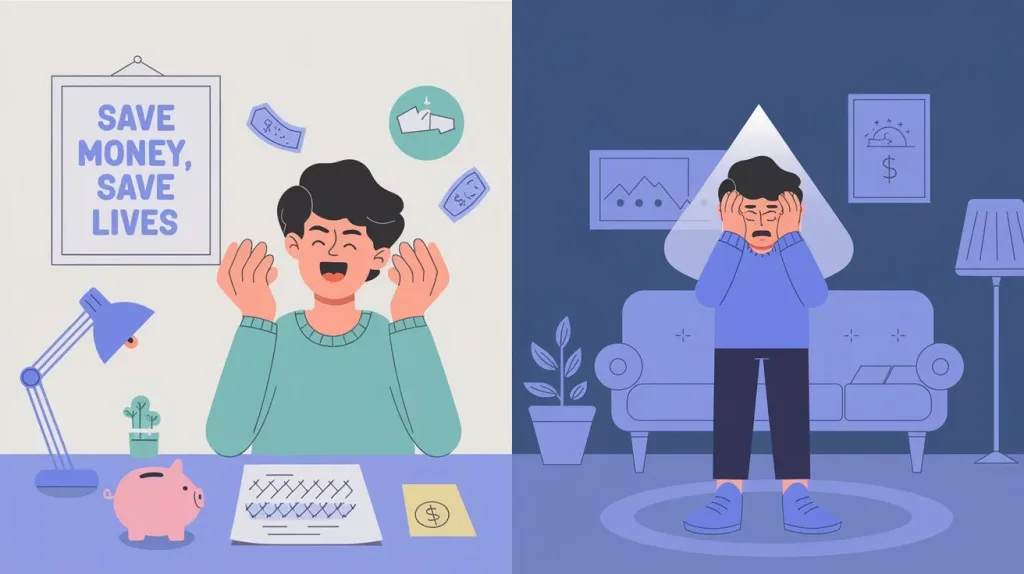
The Three Essential Questions Every Time
When you’re facing an unexpected expense and considering dipping into your emergency savings, emotional reactions often cloud judgment. You might feel panic, urgency, or even excitement about solving a problem quickly. That’s why having a structured framework for decision-making is so important. These three questions will help you determine whether you’re facing a true emergency or something that can be handled differently.
Question 1: Is This Genuinely Unexpected?
The first litmus test for any potential emergency fund withdrawal is simple: Could you have reasonably predicted or planned for this expense?
True emergencies are, by definition, unpredictable. You can’t anticipate when your transmission will fail or when you’ll slip on ice and break your wrist. These are legitimate surprises that warrant using your emergency savings.
However, many expenses that people treat as “emergencies” are actually predictable events that should have been budgeted for in advance. Christmas happens every December 25th without fail. Your car insurance premium comes due twice a year at the same time. Your annual HOA fees aren’t a surprise—they’re scheduled.
If you’re consistently treating predictable expenses as emergencies, you need to revisit your money management strategy. This pattern suggests a budgeting problem, not an emergency. Start creating sinking funds for these anticipated costs. Set aside money each month so that when the bill arrives, you’re prepared.
Understanding whether you’re naturally a saver or a spender can help you recognize your tendencies and build better habits. Spenders might need more structure and automated savings to avoid treating their emergency fund as an ATM for wants disguised as needs.
Question 2: Is This Expense Truly Necessary?
The line between wants and needs can get surprisingly blurry, especially when you’re stressed or emotional about a situation. This is where brutal honesty with yourself becomes essential.
Necessary expenses are those that directly impact your health, safety, shelter, or ability to earn income. A broken furnace in winter? Necessary—your health and safety depend on heat. Emergency medical care? Absolutely necessary. Car repairs when you have no other way to get to work? Necessary for maintaining your income.
On the flip side, upgrading your perfectly functional smartphone because a new model launched isn’t necessary—it’s a want. Taking a spontaneous vacation because you’re stressed isn’t an emergency—it’s a luxury. Even some things that feel urgent, like replacing worn furniture or updating your wardrobe, don’t typically qualify as emergencies.
Here’s a practical test: Ask yourself, “What happens if I don’t spend this money right now?” If the answer is simply inconvenience, disappointment, or missed enjoyment, it’s probably not a true need. If the answer involves serious consequences to your health, safety, or livelihood, then it likely qualifies.
Self-care is important, absolutely. But genuine self-care doesn’t require depleting your financial security. A walk in nature, a library book, or a phone call with a friend can provide emotional relief without touching your emergency fund.
Question 3: Have I Exhausted All Other Options?
Even when facing a genuine, unexpected, necessary expense, your emergency fund shouldn’t always be your first resort—it should be your backup plan after exploring other possibilities.
Start by examining your current month’s budget. Can you temporarily reduce spending in other categories? Maybe you delay that planned purchase, eat more meals at home, or skip subscription services for a month. Even small adjustments across multiple categories can free up surprising amounts of money.
Look into payment plans or financing options, especially for medical expenses. Many healthcare providers offer interest-free payment arrangements. While you generally want to avoid debt, a zero-interest payment plan might be preferable to depleting your emergency fund if it allows you to preserve that safety net for potentially larger crises.
Consider whether you qualify for any assistance programs. Lost your job? You might be eligible for unemployment benefits that can help cover expenses while you job hunt. Facing medical bills? Hospital financial assistance programs or health savings accounts (HSAs) might help. Dealing with home repairs? Some municipalities offer emergency home repair programs for qualifying residents.
Can you pick up extra income temporarily? A side gig, selling items you no longer need, or taking on overtime hours might generate enough to cover the expense without touching your emergency fund.
When You Should Absolutely Use Your Emergency Fund
Having painted a picture of when to hesitate, let’s be clear: emergency funds exist to be used when warranted. Don’t let fear of depleting it prevent you from using it appropriately.
Job loss is perhaps the quintessential emergency fund scenario. Unemployment can stretch for months, and having three to six months of expenses saved gives you the buffer to find the right position rather than desperately accepting the first offer out of financial panic. This breathing room can literally change the trajectory of your career.
Major, unexpected home repairs often qualify—especially those affecting safety or habitability. A roof leak that could cause structural damage, a failed water heater flooding your home, or a broken furnace in freezing weather all justify emergency fund use.
Unexpected medical emergencies, after insurance coverage, often create significant out-of-pocket costs. Whether it’s an emergency room visit, urgent dental work, or necessary surgery, your health shouldn’t suffer because you’re worried about preserving savings.
Emergency travel for family crises—like a relative’s serious illness or funeral—typically warrants using emergency funds. These situations are unpredictable, necessary, and often can’t be postponed.
Rebuilding After You Tap Your Emergency Fund
If you do need to use your emergency fund, congratulations—it served its exact purpose. Now your priority shifts to replenishing it as quickly as possible. The longer you operate without a full emergency fund, the more vulnerable you remain to the next unexpected event.
Make rebuilding your top financial priority, second only to making minimum debt payments. Consider temporarily pausing aggressive savings goals or extra retirement contributions until your emergency fund is whole again.
Review your budget to find money to redirect toward rebuilding. Can you temporarily cut discretionary spending? Channel windfalls like tax refunds or bonuses directly into your emergency fund. Consider whether a temporary side hustle could accelerate the process.
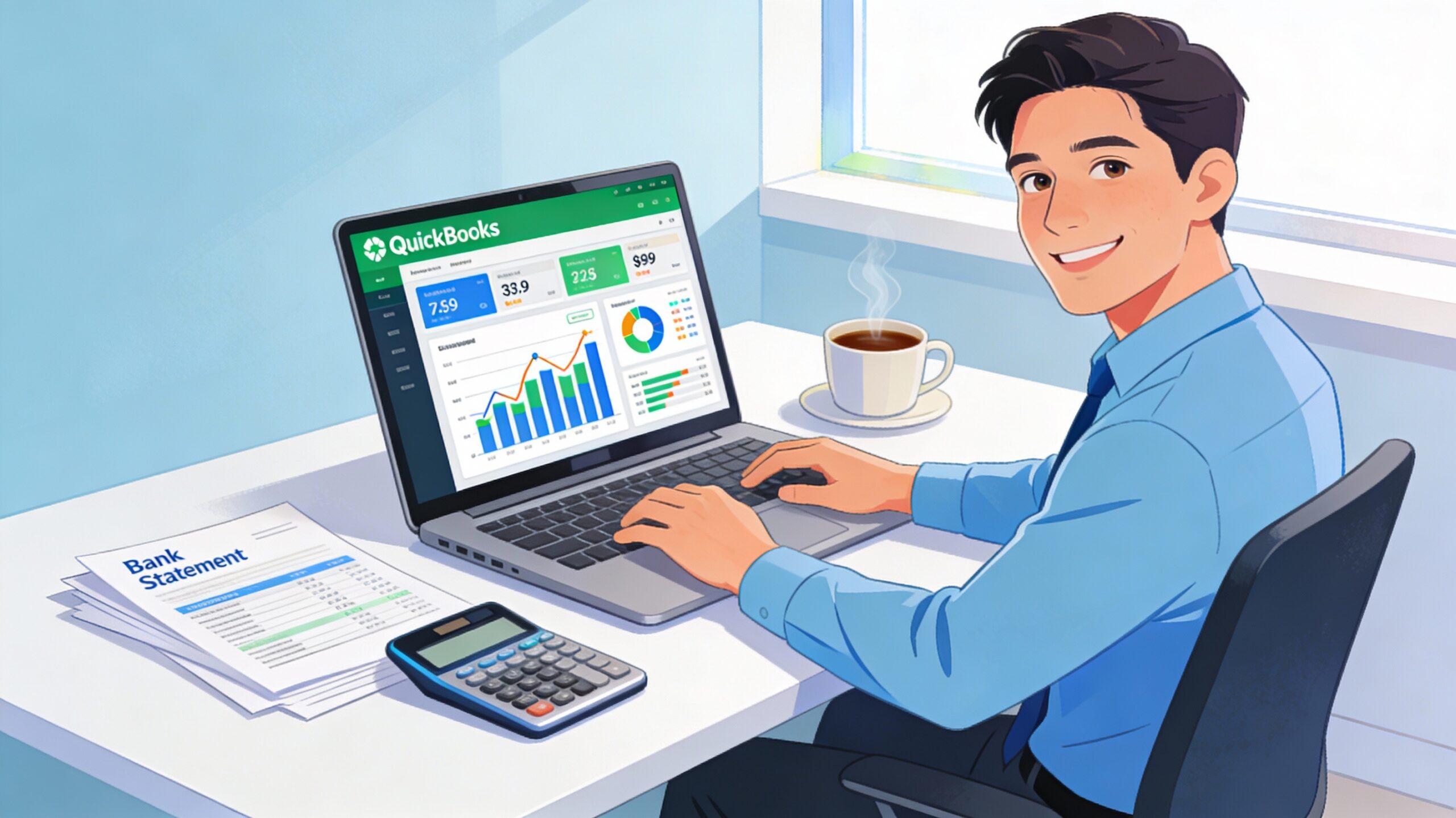
Track your progress visibly. Seeing your emergency fund grow back toward its target can provide motivation during the rebuilding phase. Using personal finance tools like QuickBooks can help you monitor your progress and stay accountable.
Building Better Financial Habits for the Long Term
Beyond just maintaining an emergency fund, developing strong financial habits creates lasting security. Understanding that personal finance is deeply dependent on your behavior helps you recognize that knowledge alone isn’t enough—you need to act on what you know.
Choose high-yield savings accounts for your emergency fund so your m
oney grows while remaining accessible. While returns won’t be dramatic, every bit helps, and you want your emergency savings in liquid, FDIC-insured accounts—not invested in the stock market where values fluctuate.
Consider creating separate sub-funds for different purposes. Beyond your main emergency fund, you might build sinking funds for car maintenance, home repairs, or medical expenses. This prevents you from raiding your emergency fund for semi-predictable costs.
If you’re juggling emergency fund building with other goals—like planning for retirement or saving for higher education—prioritize getting at least a starter emergency fund of $1,000 before heavily focusing on other savings goals. This gives you some cushion while you work on longer-term objectives.
The Bottom Line: Protect Your Financial Future
Your emergency fund represents more than just money in an account—it symbolizes your commitment to financial security and peace of mind. Every dollar you save is a vote for your future stability and a shield against life’s inevitable surprises.
Before withdrawing from your emergency fund, remember to ask yourself these three critical questions: Is this genuinely unexpected? Is this expense truly necessary? Have I exhausted all other options? If you can honestly answer yes to all three, then your emergency fund is doing exactly what it’s designed to do.
But if any answer is no or uncertain, pause. Look for alternatives. Protect that hard-earned safety net so it’s there when you face a true crisis. Because one thing is certain: another emergency will eventually come. When it does, you’ll be grateful you preserved your financial foundation.
Building and maintaining an emergency fund requires discipline, patience, and sometimes sacrifice. But the alternative—facing life’s emergencies without resources—is far more costly in both financial and emotional terms. Make your emergency fund a priority, use it wisely, and rebuild it quickly when needed. Your future self will thank you for the foresight and restraint you practice today.

Karthick Raja, MBA, is a personal finance educator and HR professional with 10+ years of experience in Personal Finance ,taxation, payroll, and career development. He helps readers build wealth, manage money wisely, and grow professionally.


2 thoughts on “What Are Three Questions to Ask Yourself Before Spending Your Emergency Fund? Essential Insights for Financial Health”
Pretty section of content. I just stumbled upon your site and in accession capital to assert
that I gett actually enjoyed account your blog posts.
Anyway I will be subscribing to your feeds and even I achievement
you access consistently rapidly.
Great beat ! I wish to apprentice while you amend your web site,
how could i subscribe for a blog site? The account helped me a acceptable
deal. I had been tiny bit acquainted of this your broadcast
provided bright clear idea