

Planning for retirement is one of the most important financial steps you can take as a small business owner. While running your business keeps you busy, it’s crucial to set up a reliable retirement savings plan for yourself and your employees. A 401(k) plan is a popular and effective way to build retirement savings. It offers tax advantages while helping you invest money for the future.
This article breaks down how to set up a 401(k) plan for your small business in simple language, covering everything from eligibility, step-by-step setup, savings growth, withdrawal strategies, and realistic financial milestones. Whether you are self-employed or have a small team, this guide will help you understand all you need to start your 401(k) journey.
Can I Open a 401(k) as a Small Business Owner?
Yes, small business owners absolutely can set up a 401(k). If you are self-employed with no employees (other than possibly your spouse), you’re eligible for a Solo 401(k) plan, also called an Individual 401(k). This plan is designed for owner-only businesses and lets you contribute both as an employee and as an employer, maximizing your savings.
If you have employees, you can offer a traditional 401(k) plan. This allows you to provide a retirement benefit to your workforce and can improve employee satisfaction and retention. The IRS has specific rules about who is eligible to participate based on age and service length, but many small businesses successfully offer these plans.
Pros and Cons for Small Business Owners
Pros: Tax-deferred growth on investments, higher contribution limits than IRAs, potential for employer matching contributions, and flexibility in plan design.
Cons: Administrative responsibilities such as filing annual forms, plan maintenance costs, and compliance with nondiscrimination tests to ensure fairness among employees.
Can I Create a 401(k) on My Own?
You sure can—especially if you choose a Solo 401(k). Here’s how:
-
Obtain an Employer Identification Number (EIN) from the IRS if you do not already have one.
-
Select a financial institution or plan provider. Providers range from banks to brokerage firms and online services.
-
Adopt a written plan document. This legal document outlines how your 401(k) plan will function.
-
Set up a trust to hold plan assets separately from your business accounts.
-
Implement recordkeeping systems to track contributions, investments, loans, and distributions.
-
Inform eligible participants about plan rules and rights. This may be just you and your spouse in a Solo 401(k).
Though it sounds technical, many plan providers offer assistance with these steps through online platforms or customer service. Taking time to understand each step will ensure your plan runs smoothly and remains compliant.
How to Set Up a 401(k) Plan for Your Small Business: Step-by-Step
If you run a small business with employees or want a robust plan, the following comprehensive steps will help:
Step 1: Choose the Type of 401(k) Plan
-
Solo 401(k) for self-employed individuals or owner-spouse businesses.
-
Traditional 401(k) for businesses with employees.
-
Safe Harbor 401(k) to bypass certain IRS nondiscrimination testing by making mandatory contributions.
-
Roth 401(k) for after-tax contributions allowing tax-free withdrawals later.
Step 2: Create a Written Plan Document
This document is a legal foundation for your 401(k). It specifies eligibility, contributions, vesting schedules, distributions, and administrative procedures.
Step 3: Designate a Plan Administrator
You, your HR department, or an external provider can serve this role. The administrator manages day-to-day operations and compliance.
Step 4: Set Up the Trust Fund
Plan assets must be held in a separate trust to protect participants. Choose a custodian or trustee for the funds.
Step 5: Choose Investment Options
Offer a range of investments such as mutual funds, stocks, bonds, and target-date funds that suit different risk tolerances.
Step 6: Establish Recordkeeping and Reporting Systems
Accurate tracking of contributions, earnings, loans, and distributions is essential. Annual filings like Form 5500 may be required.
Step 7: Educate and Notify Employees
Provide clear information on how the plan works, enrollment options, and benefits.
Step 8: Monitor and Review Your Plan Regularly
Stay up-to-date on changes in retirement laws and plan performance to make adjustments as needed.
How Much Will $10,000 in a 401(k) Be Worth in 20 Years?
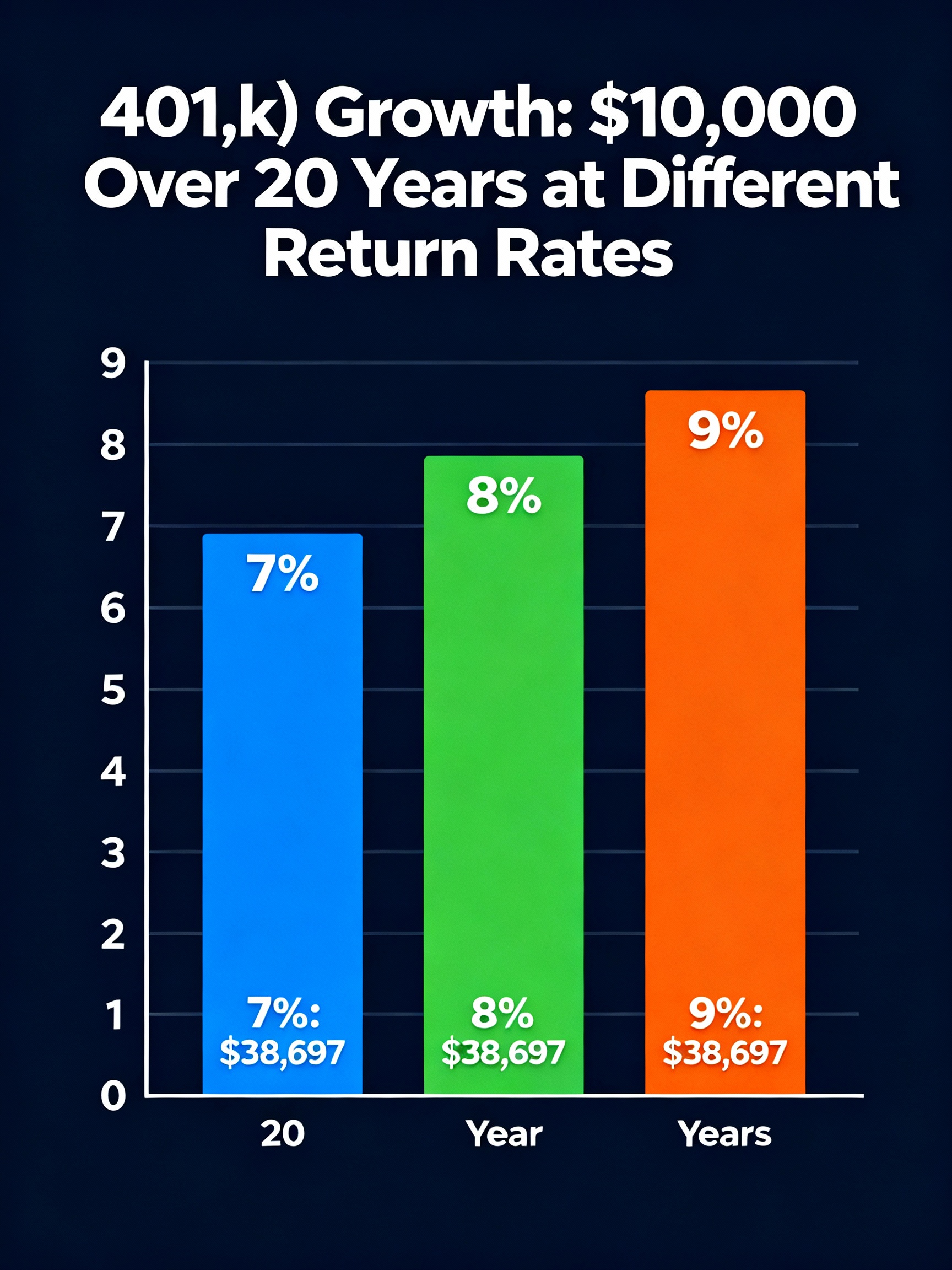 The magic of compounding plays a big role here. Assuming an average annual return of 7%:
-
$10,000 grows to approximately $38,697 after 20 years.
-
At 8% annual return, it could reach nearly $46,610.
These amounts assume no additional contributions. In reality, making regular contributions can multiply growth substantially.
Compound interest means earnings themselves earn returns, boosting retirement savings significantly over time.
How Much Do I Need in a 401(k) to Get $1,000 a Month?
Using the common 4% withdrawal rule, a safe annual withdrawal rate in retirement:
To generate $1,000 monthly ($12,000 per year), you’d need about $300,000 saved.
This approach aims to preserve principal so savings last 30 years or more.
Withdrawal rates can be adjusted based on longevity expectations and other income sources.
What is the $27.39 Rule?
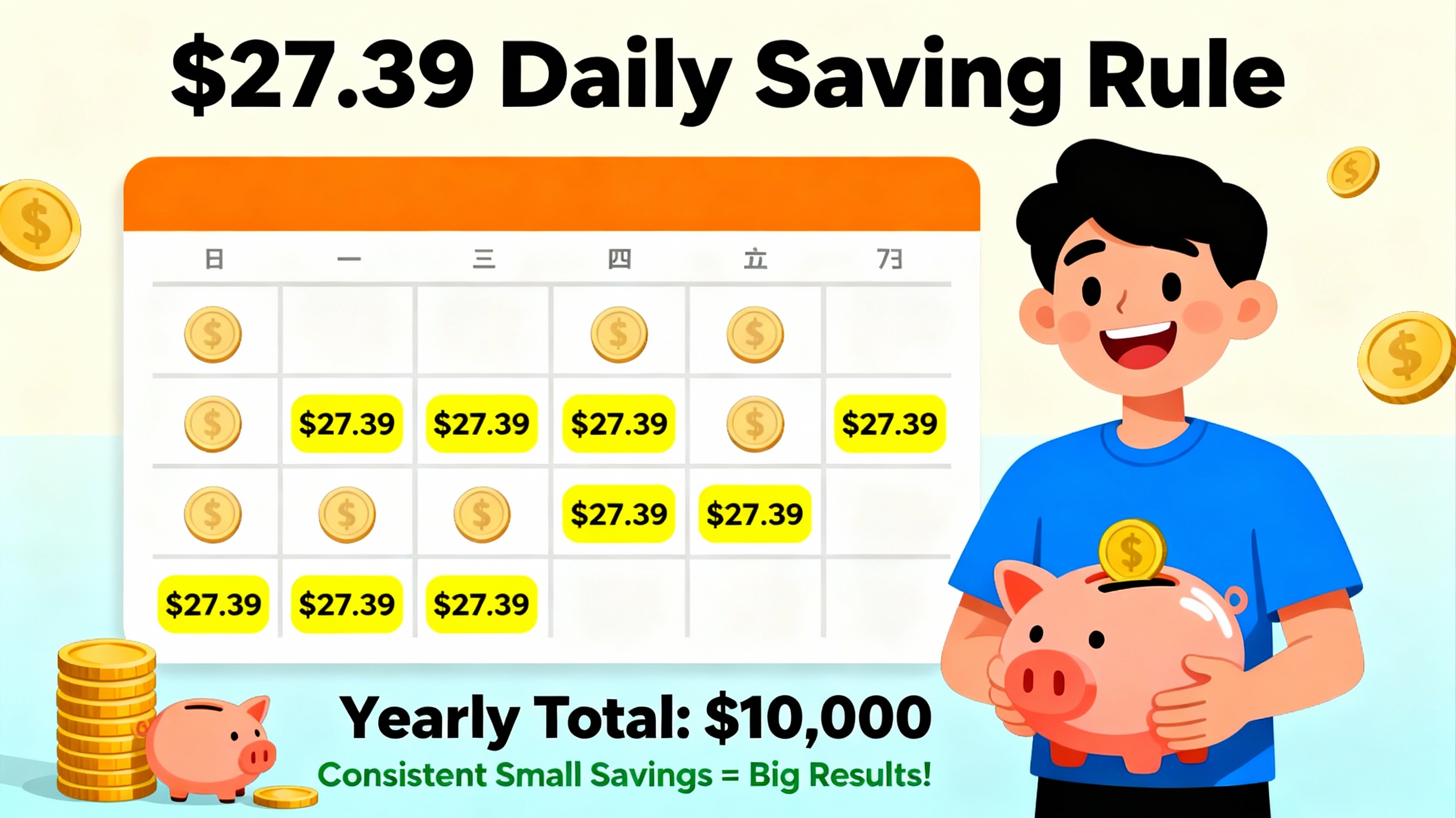
This simple rule encourages consistent saving:
-
Save roughly $27.39 daily, translating to $10,000 per year.
By saving a small amount daily, you build substantial retirement funds over time.
It’s a reminder that even modest daily actions compound into large results.
Can I Retire at 62 with $400,000 in 401(k)?
Retiring at 62 with $400,000 is possible but mindful planning is needed:
-
A 4% withdrawal rate gives $16,000 per year from the 401(k).
-
Add Social Security benefits for additional income (usually reduced if claimed early).
-
Your lifestyle and expenses determine if this income meets your needs.
-
Consider health care costs and longevity to plan for possibly 20+ years in retirement.
Annuities or part-time work can supplement income for a comfortable retirement.
How Many Americans Have $1,000,000 in Their 401(k)?
Only a small portion of Americans reach this milestone:
-
Around half a million accounts have $1 million or more.
-
The average 401(k) balance is about $137,800.
Consistent saving, employer matches, and good investment choices over decades help grow balances to this level.
What is the Average Super Balance of a 55-Year-Old?
For Americans around age 55:
-
Average 401(k) balances are roughly $150,000.
This indicates many people need to increase savings to reach retirement comfort.
How Much 401(k) Should I Have at 50?
Experts recommend having saved 4-6 times your annual salary by 50.
For instance, if you earn $60,000 annually, aim to have $240,000 to $360,000 in savings.
Accelerated saving in your 40s and 50s is key to meeting these goals.
Conclusion:
Take Action Today for a Secure Tomorrow
Starting a 401(k) plan for your small business secures your future and your employees’ futures. It’s easier than you think, with clear steps, available resources, and flexible options.
Remember:
-
Choose the right 401(k) type for your business.
-
Follow setup steps carefully to meet legal requirements.
-
Save consistently, even small amounts daily.
-
Monitor and adjust your plan and savings over time.
With commitment and planning, your retirement can be financially comfortable and stress-free.

Karthick Raja, MBA, is a personal finance educator and HR professional with 10+ years of experience in Personal Finance ,taxation, payroll, and career development. He helps readers build wealth, manage money wisely, and grow professionally.